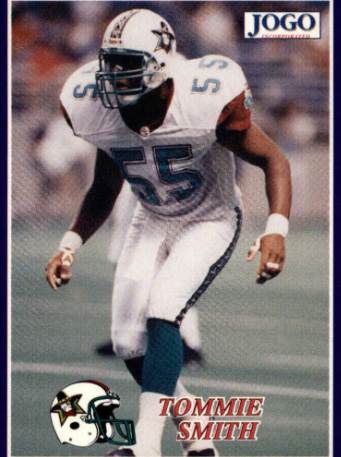
Meet the Founder Tommie L Smith.
My journey began on August 7, 1971, in Lancaster, California. Like most, I had no idea what life had in store for me. On the day I was supposed to come home from the hospital, my biological mother said, “That’s not my baby.” That moment set the tone for how she would treat me for much of my life. Instead of going home with her, my grandmother took me from the hospital. I didn’t know it then, but she would become the person I called “Mom.”
As I grew older, it took me 53 years to fully understand what had once been brushed off as a family joke—“That’s not my baby.” I now realize my mother never truly wanted me, or any of her four children. I’m grateful my grandparents stepped in and raised us with love, support, guidance, discipline, and compassion. At one point, my sister and I were living with our biological mother in San Francisco, but she contacted social services in an attempt to give us up. When she was told she could face legal consequences, we were soon sent back to live with our grandparents—a blessing in disguise.
Growing up, our family was very athletic, and I played every sport I could—baseball, basketball, track, and football. My grandparents were at every game, always showing their support. I remember one Pop Warner football game where I broke free for a long run. As I sprinted down the field, I looked to my left and saw my grandmother running alongside me on the track—faster than I was. She actually beat me to the end zone. In that moment, I knew she would always be there for me, no matter what.
When I eventually moved back in with my biological mother, things changed. The focus shifted from care and support to the financial assistance she received from the state. That transition was emotionally difficult—going from being supported to feeling completely unsupported by the person who gave me life. My grandparents remained a steady presence, but I still longed for my mother’s support.
At 12 years old, I visited my father for the summer. He asked if I could stay with him, but she refused. Looking back, I understand that decision was likely tied to the financial support she would lose. As I entered high school, it became increasingly clear that she had little interest in being involved in my life. She worked out of town during the week, leaving Monday mornings and returning Friday afternoons. On one occasion, she stopped by the school to speak with the vice principal before heading home. There was a home game that night, but she said she was too tired to attend. After that, I stopped asking if she would come to my games. Thankfully, I could always count on my grandparents to be there.
As my athletic career progressed, I was honored to be named Southern California State Player of the Year and participated in all-star games—yet my biological mother was nowhere to be found. When it came time for college recruiting visits, she suddenly appeared, presenting herself as though she had always been involved. She was able to convince others of that image, but the reality was very different. I entered college hoping things might change, but I was disappointed once again. She didn’t attend any of my games—not even four college bowl games that were within driving distance. She would ask for tickets just days before the games, but I chose to give them to friends who I knew would truly support me.
After my professional career ended in both the NFL and CFL, I returned to my hometown and became a paraeducator at a local high school. I also took on a role as an assistant coach. It didn’t take long to notice how much had changed. The sense of community support that once existed was no longer the same. When I was growing up, youth sports were accessible—families didn’t have to worry about high costs because the community stepped in to help. My family benefited from that support. It made a difference.
Today, many youth programs and high school sports have become more like businesses. Inner-city schools, in particular, often lack the resources needed to give kids the opportunity to participate. I’ve seen firsthand the impact that being part of something positive can have on a young person’s life—and the difference it makes when that opportunity isn’t available.
The goal of the Tommie L Smith Foundation is to unite youth, sports, and community by providing the support, mentorship, and opportunities needed to develop both athletic ability and personal character—building a foundation for success that extends far beyond the game.


.webp)
.svg)
.png)
.png)